

Purdue University College of Agriculture
One Health
One Health

Featured Stories

The Office of Indiana State Chemist (OISC) is warning Indiana residents about an illegal pesticide marketed under the name Sniper DDVP. This product is imported into the United States illegally and poses serious health risks.

After following her own path, Delaney Cooney wants to help the next generation of students find theirs. Growing up in Columbus, Indiana, Cooney received encouragement from her high school FFA advisor. His guidance helped her recognize her strengths, deepen her devotion to agriculture and pursue career in the field.
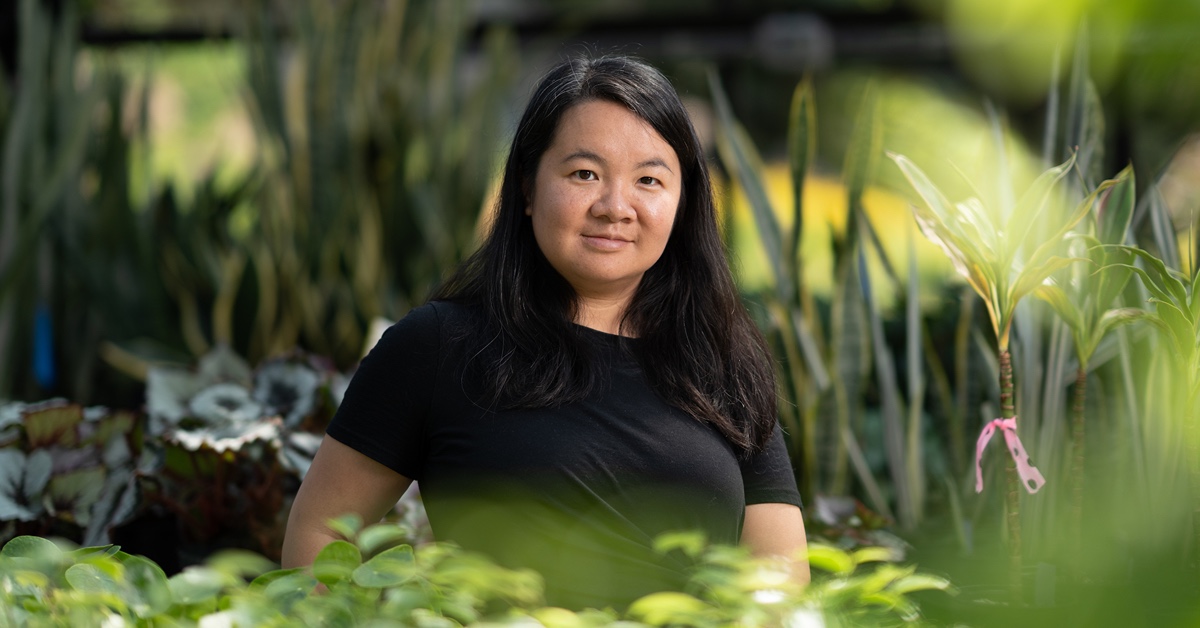
Concealed within the molecular machinery of petunia flowers are metabolic, genetic and cellular processes that biotechnologists can engineer to improve crops and plant health and benefit pharmaceutical and nutraceutical products. Building on a large body of their previous research, Purdue University scientists have launched a project to bring these advances closer to fruition. “Plant cells function as chemical factories, producing over a million distinct metabolites that are essential for plant fitness and survival,” said Ying Li, associate professor of horticulture and landscape architecture. These metabolites serve as sources of food, nutrients, medicines, natural pesticides, dyes, food additives and other valuable compounds for humans. They also shape ecosystems by how they affect interactions between plants, between plants and insects, and between plants and microbes, Li said.

Purdue University’s College of Agriculture is thrilled to welcome Ozan Ciftci, a renowned expert in food engineering, to the Department of Food Science. Ciftci was hired through Purdue’s Moveable Dream Hires program. The program is designed to attract high-performing, top-caliber faculty to the university. “Ozan is an internationally recognized scholar and innovator whose leadership, research excellence and vision for the future of food systems will strengthen our college and create new opportunities for students, faculty and industry partners,” says Bernie Engel, Glenn W. Sample Dean of Agriculture
Prospective Students
What's Trending

PURDUE EXTENSION
Purdue Extension is Indiana's educational partner for life. Extension delivers practical, research-based information that
enhances lives and livelihoods.