Food Science
Imagine a world. . .
Where all of the earth’s raw agricultural products are utilized for nourishing every human being. Imagine turning those raw agricultural products into safe, shelf-stable, great tasting foods and beverages that every human being can afford and access. Imagine you helping to create this world.
Join Purdue Food Science!
CONTACT US
Department of Food Science
foodsci@purdue.edu
745 Agriculture Mall Drive
West Lafayette, IN 47907
765-494-8256
Pioneering Research
Pioneering Research

Colorectal cancer is on the rise, and promoting gut health is more important that ever. Bruce Hamaker, Distinguished Professor of Food Science is addressing the need to increase fiber intake with a grant from USDA.
Explore the Research


Purdue Food Science has a network of industry partners to connect students with hands-on experiences, internships, and full-time positions.
100% of Purdue Food Science students land a job or graduate school placement within 6 months of graduation.
Students within the Food Science Department can major in either Food Science or Fermentation Science.
Purdue Food Science has a network of industry partners to connect students with hands-on experiences, internships, and full-time positions.
Upcoming Food Science Events
Purdue Food Science News
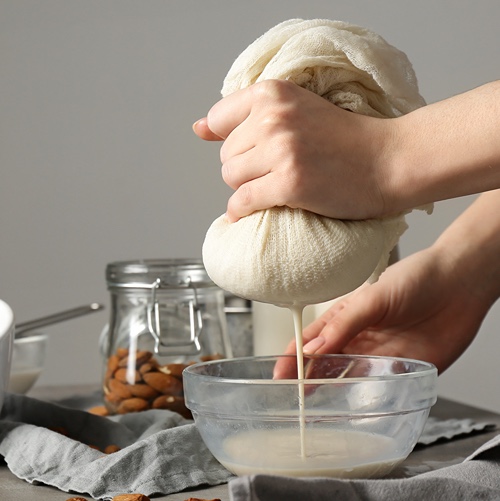
Many consumers know the food safety risks of dairy products, eggs and raw meat. But they are less...
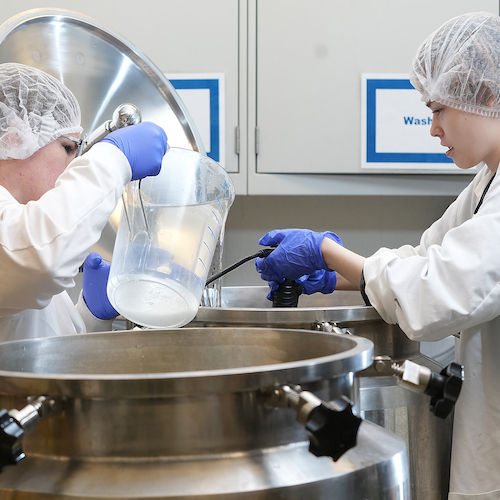
The Food Entrepreneurship and Manufacturing Institute (FEMI), housed within Purdue...
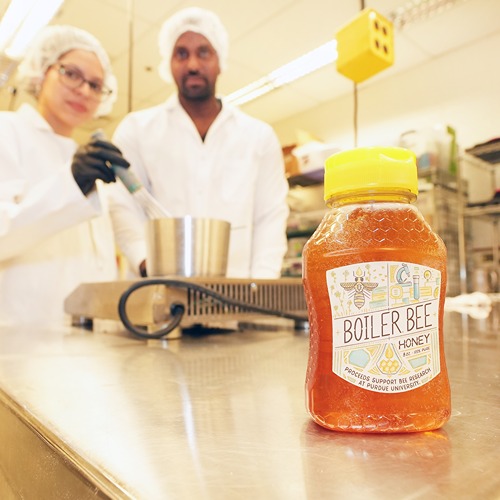
In the past few years, specialty sauces like hot honey combined the classic warm, sweet feeling...

From winning products like soy-based candles and styrofoam to chewing gum, for 30 years the...

Americans generally consume about half the recommended daily dietary fiber requirement. These...

The College of Agriculture recognized six alumni at the Distinguished Agricultural Alumni award...